Liquid Cool Or Air Cool
Welcome to
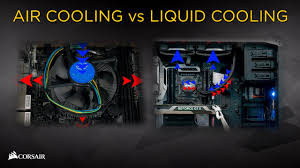
Pros and Cons of Air Cooling CPU
No matter what sort of PC you want to create, you'll need to cool the CPU. And while you can create a lot of different types of PCs, there are only two ways to cool a CPU: either with air, or with liquid. Most CPUs include a solution for stock air cooling that exhausts air onto the CPU. Even though this method of cooling is sufficient for casual PC users, gamers still upgrade to higher cooling performance aftermarket air coolers. Many of these builders are also upgrading because sometimes these CPU coolers look better and make their PC exclusive. Aftermarket air coolers offer improved performance over stock air cooling solutions by using copper base plates to disperse heat through the pipes. To further increase heat dissipation, aftermarket air coolers include high-performance fans which carry hot air away from the CPU through specially designed fins. A aftermarket air cooler can have more than enough power for most gamers to keep their CPU running at optimum temperatures. However, air cooling isn't without its downsides. Some of these aftermarket air coolers are huge and do not even fit in many PC cases unless you use a case specifically designed to handle larger options for CPU cooling. Also, you should note that certain fan options could also run louder than stock air coolers.
Pros and Cons of Liquid Cooling
The easiest way to cool a Processor is by liquid cooling, because water conducts heat much more efficiently than air. Liquid cooling also helps the Machine run smoother, and at a high RPM you won't have fans running continuously. However, liquid cooling a PC can also be dangerous if water leaks onto hardware. To keep things safe and easy, I recommend an all-in-one liquid cooler in one convenient package which provides all the benefits of water. This form of liquid refrigeration provides everything you can get out of a custom liquid refrigeration solution without bending tubing, changing fittings or drilling holes in your PC case. Furthermore, all-in-one liquid coolers are easily available in a number of different sizes so you can find just what you need. All-in-one liquid refrigerators are not limited to your CPU, either. You'll be able to enjoy the same benefits of water on a GPU with the introduction of a liquid cooling mounting pack. And as any gamer will tell you, cooling a GPU during intense gaming sessions is often more important than refrigerating a CPU.
Should you buy liquid cooling or air cooling?
All air coolers and liquid refrigerators have improved cooling efficiency over a stock CPU refrigerator. However, the cooling solution you want to use inside your Computer will typically rely on a number of different performance factors. Things like size, compatibility and looks will typically play a part in your decision as well. And while liquid cooling outperforms air cooling in various situations, it is likely you should base your decision on what you really need. There is no need to use liquid cooling if your CPU is not running hot and if you are not even playing sports, there is no need to use an aftermarket air cool. The main thing is to find out what hardware you're using for the PC. There's no "best" way to cool a CPU and there's no "best" way to create a PC for them. Growing PC is special to the needs of its builder and the CPU cooler is only one of many options that you have the power to control. And I believe it's up to you to cool a CPU the best way!